

The Shocking Truth About What Happens When You Exercise Wrong for Years: Exercise Injuries Prevention and Lasting Health Impact
By Matt Weaver, Join Results Transformation Center & Gym Membership Program
Regular exercise is essential to long-term health, but persistent poor technique can cause lasting harm. Many people develop habits that lead to chronic pain and structural problems. This article explains the long-term consequences of incorrect exercise, outlines how to prevent injuries with correct technique, and describes the role of professional guidance and recovery strategies in restoring function and preserving fitness.
What Are the Common Long-Term Effects of Bad Exercise Habits?
Sustained use of improper technique often produces chronic pain and predictable injuries that undermine overall health. Common outcomes include joint deterioration, repetitive muscle strains, and persistent soft-tissue conditions such as tendonitis. Studies link ongoing discomfort to habitual misalignment and flawed movement patterns, so recognising these risks is essential to safer, more effective training.
How Does Improper Exercise Cause Chronic Injuries and Joint Damage?
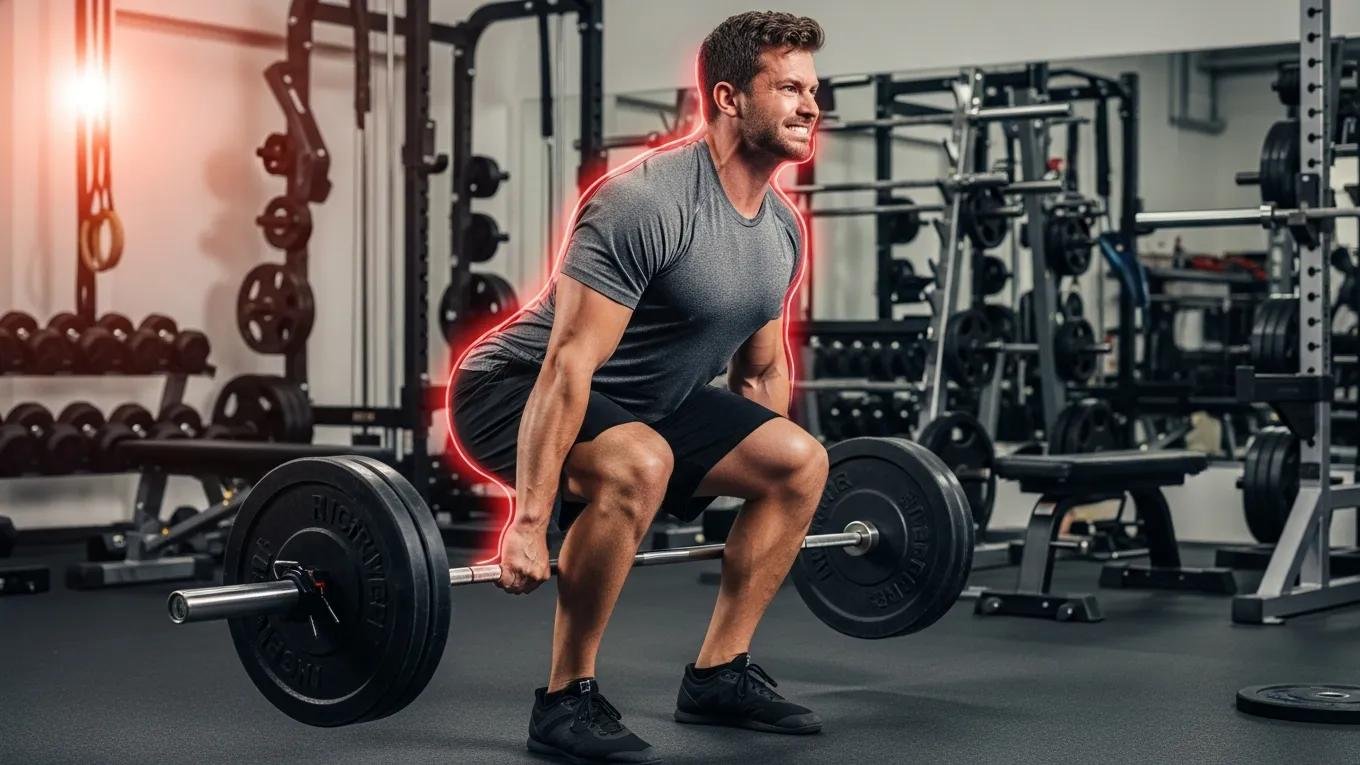
Chronic injuries arise when repetitive stress overloads joints and soft tissues. Faulty posture in exercises such as weightlifting shifts load away from the intended muscles and onto ligaments and tendons, increasing the risk of problems like disc injury or rotator cuff damage. Proper biomechanics ensure the correct muscles bear the load and reduce cumulative tissue wear.
How Can Correct Workout Techniques Prevent Exercise Injuries?
Prioritising correct form prevents unnecessary stress and improves how targeted muscles develop and perform. Consistent attention to technique reduces joint strain, supports balanced strength gains, and lowers injury risk while boosting long-term results.
Access to specialist training consultation provides expert guidance to identify faulty patterns and implement tailored plans that improve safety and effectiveness.
To illustrate the preventive effect of structured programs, consider recent systematic reviews and analyses focused on endurance runners.
Preventing Running Injuries with Exercise Programs
ABSTRACT: A systematic review and meta-analysis examined exercise-based prevention programmes for endurance runners. Running-related injuries are common and drive drop-out and healthcare costs. While injury-prevention exercises are supported in some sport settings, evidence specific to endurance running has been less recently reviewed, prompting this analysis of whether exercise programmes reduce injury risk in this population. Do exercise-based prevention programs reduce injury in endurance runners?
A systematic review and meta-analysis, H Wu, 2024
What Are the Best Practices for Maintaining Proper Exercise Form?
Lasting health gains depend on consistent attention to form. Implementing clear, repeatable habits reduces injury and supports steady improvement.
- Focus on Core Engagement: Activate core muscles to provide stability and balance during workouts.
- Utilize Mirrors or Video: Observing form either through mirrors or recorded videos can help identify misalignments.
- Seek Professional Guidance: Consulting a trainer for personalized feedback can enhance understanding and execution of correct form.
These practical steps optimise performance and build resilient movement patterns that protect against cumulative damage.
How Does Expert Personal Training Enhance Injury Prevention?
Working with qualified personal trainers strengthens injury prevention through tailored plans that reflect an individual’s capacity, history, and goals. Trainers teach the subtleties of movement, helping clients recruit the right muscles and move with greater efficiency.
Ongoing professional feedback allows prompt correction of errors and progressive adjustments, creating safer habits that support lasting health and improved performance.
What Are Effective Exercise Recovery Strategies to Reverse Damage?

Recovery is central to repairing damage from poor technique. A structured approach reduces inflammation, restores tissue health, and readies the body for controlled progression.
- Hydration: Maintaining hydration supports muscle recovery and nutrient transport.
- Nutrition: Consuming a balanced diet with sufficient protein helps repair muscle tissue.
- Rest: Adequate rest periods between workouts allow for recovery and rebuilding of muscles.
Combined, these measures speed rehabilitation, support adaptation, and prepare you for safer training moving forward.
How Do Peptides Support Muscle Recovery and Longevity?
Peptides can aid recovery by supporting growth-hormone responses and protein synthesis, processes important for repairing muscle tissue. When used as part of a broader recovery plan, they may assist in regaining strength and improving performance after sustained training.
Further research has examined supplements such as collagen peptides to assess their role alongside long-term training.
Collagen Peptide Supplements for Injury Prevention
Over the past decade, collagen peptide supplements have been investigated in sports-nutrition research. Some studies report benefits for musculoskeletal health, performance, and injury prevention when combined with training, though results vary across trials and populations. Impact of collagen peptide supplementation in combination with long-term physical training on strength, musculotendinous remodeling, functional recovery, and body …, 2024
What Role Does Technology Play in Monitoring and Enhancing Recovery?
Modern devices provide objective recovery metrics—heart-rate trends, sleep quality, and activity load—that inform safer training decisions. Analysing these data helps adjust intensity and recovery tactics to minimise overreach and support consistent progress.
How Can Businesses Integrate IT-Enabled Wellness Programs to Support Healthy Training?
Organisations can support healthier employees by deploying IT-enabled wellness programmes that track activity, deliver personalised regimens, and monitor outcomes. Such programmes help build a culture of wellbeing, reduce absenteeism, and foster sustained engagement in healthy habits.
What Are the Benefits of Data-Driven Personal Training Solutions?
Data-driven training allows instructors to tailor programmes based on measurable progress and risk indicators. Regular analysis of performance and recovery metrics delivers targeted feedback that improves technique, accelerates outcomes, and reduces injury risk.
How Does Longevity Analytics Improve Employee Health Outcomes?
Longevity analytics give organisations insight into behavioural and health patterns, enabling targeted interventions that promote sustainable wellbeing. By using these insights, employers can design strategies that support long-term health and productivity across the workforce.
What types of injuries are most commonly associated with poor exercise techniques?
Injuries linked to poor technique commonly include sprains, strains, tendonitis, and chronic joint pain. Repeated misuse can contribute to degenerative conditions such as arthritis or bursitis, especially in high-stress areas like the knees, shoulders, and lower back. Recognising these patterns helps prioritise corrective strategies.
How can beginners ensure they are exercising correctly?
Beginners should start with education and cautious progression: work with a qualified trainer, study reliable instructional material, and begin with lighter loads or low-impact movements to master movement patterns. Regular feedback—via a coach or video review—reinforces correct habits and reduces injury risk.
What is the role of warm-ups in preventing exercise injuries?
A structured warm-up prepares muscles and the cardiovascular system, increasing blood flow, joint range of motion, and neuromuscular readiness. Incorporating dynamic stretches and light aerobic activity improves muscle responsiveness and lowers the chance of strains during higher-intensity work.
How long does it typically take to recover from exercise injuries?
Recovery timelines vary with injury severity. Minor strains may resolve in days to weeks with appropriate care, while fractures or major ligament injuries can require months and structured rehabilitation. Adherence to a progressive rehab plan and individual factors such as age and general health influence the pace of recovery.
Can proper nutrition accelerate recovery from exercise-related injuries?
Nutrition is a key component of recovery: adequate protein supports tissue repair, carbohydrates and healthy fats provide energy, and anti-inflammatory foods can reduce swelling. Proper hydration also aids nutrient delivery and overall healing, contributing to more efficient recovery.
What are the signs that indicate a need for professional training assistance?
Seek professional help if you experience persistent pain, declining performance, difficulty maintaining form, or frequent injuries. A trainer can diagnose movement deficits, provide corrective strategies, and design a tailored plan to restore safe, effective training—an investment in long-term health.
How can technology assist in improving exercise techniques?
Technology plays a pivotal role in enhancing exercise techniques through applications that provide real-time feedback on form and performance. Wearables, fitness apps, and motion sensors can analyze movement patterns, helping individuals make immediate adjustments. Moreover, apps with instructional videos and tutorials can reinforce proper techniques, making it easier for users to maintain correct form during workouts. These resources not only enhance personal accountability but also foster a better understanding of biomechanics, leading to safer exercise habits.
What should I do if I experience pain while exercising?
If you experience pain during exercise, it is crucial to stop immediately and assess the situation. Continuing to work through pain can lead to serious injuries. Evaluate whether the pain is sharp, dull, or chronic, and consider consulting a healthcare professional or a qualified trainer who can identify the cause. Avoiding movements that trigger discomfort is essential. Implement rest, ice, and elevation if necessary, followed by a gradual return to exercise based on a tailored rehabilitation plan.
Can group exercise classes be beneficial for preventing injuries?
Yes, group exercise classes can be very beneficial for injury prevention. These classes often focus on proper form and technique under the guidance of an experienced instructor. The group dynamic encourages individuals to stay motivated and accountable, while instructors can provide immediate feedback to correct potentially harmful movements. Furthermore, being part of a group creates a supportive environment that promotes shared learning and safety, which is vital when trying new exercises.
What are some signs that my exercise form needs improvement?
Indicators that your exercise form may require improvement include persistent soreness in specific body areas, difficulty maintaining balance or proper posture, and noticeable deviations from standard techniques demonstrated in reputable instructional materials. Additionally, if you find yourself frequently fatigued or experiencing joint discomfort beyond typical soreness, these may signal improper form. Regular video self-assessments or seeking feedback from professional trainers can help reveal hidden flaws in your movements.
How important is flexibility training in injury prevention?
Flexibility training is essential for preventing injuries as it enhances the range of motion in joints and improves overall muscle function. Greater flexibility aids in better execution of movements, which leads to reduced strain on muscles and connective tissues. Incorporating stretching routines before and after workouts helps prepare the body for exercise and promotes recovery. Techniques such as dynamic stretching can prepare muscles for activity, while static stretching post-exercise facilitates relaxation and recovery.
Are there specific exercises I can do to strengthen my joints?
Yes, specific exercises can significantly strengthen joints and reduce injury risk. Low-impact activities like swimming or cycling build strength without placing excessive stress on joints. Additionally, strength training exercises focusing on the major muscle groups around joints, such as squats for knee stability or shoulder raises for shoulder health, are beneficial. Incorporating resistance bands into your routine can also help target stabilizing muscles that protect joints from injury. Always consult with a trainer to ensure proper technique and suitable progressions.
Frequently Asked Questions
What are the long-term impacts of not addressing exercise injuries?
Neglecting exercise injuries can lead to chronic pain, decreased range of motion, and further degeneration of joint and muscle health. Over time, unresolved injuries may escalate into serious conditions like arthritis or permanent damage to surrounding tissues, significantly limiting mobility and quality of life. Proactive management through professional evaluations and appropriate rehabilitation is essential for restoring function and preventing these long-term complications.
How often should I consult a professional trainer during my fitness journey?
Consulting a professional trainer at the start of your fitness journey is crucial. After that, periodic sessions are recommended, particularly when introducing new exercises or changing intensity levels. Regular check-ins—every few weeks or months—help ensure adherence to proper form and technique, allowing for safe progression. Additionally, continual guidance can assist in adapting workouts based on personal progress and potential injury concerns.
What is the significance of core strength in injury prevention?
Core strength is vital for maintaining stability and balance during various exercises, which reduces the risk of injury. A strong core supports proper alignment, enables efficient movement patterns, and distributes forces effectively throughout the body. Thus, core training should be incorporated into fitness routines to enhance overall performance, support the spine, and prevent compensatory injuries that can arise from weak core muscles.
How can I identify exercises that are safe for my body type?
Identifying safe exercises for your body type involves assessing individual strengths, weaknesses, and consultation with healthcare or fitness professionals. Personalized fitness assessments can provide insights into your physical capabilities and limitations. Moreover, tracking how your body responds to specific activities can help you recognize which exercises enhance your performance while minimizing discomfort, enabling you to create a tailored workout plan.
What role does hydration play in preventing exercise-related injuries?
Hydration is crucial for maintaining optimal muscle function and joint lubrication, both of which are vital in preventing injuries during exercise. Dehydration can lead to muscle cramps, fatigue, and impaired performance, increasing susceptibility to strains. Ensuring adequate fluid intake before, during, and after workouts helps support recovery and enhances overall physical capabilities, thus reducing the likelihood of exercise-related injuries.
Can social support from workout partners impact injury prevention?
Yes, social support from workout partners can significantly impact injury prevention. Exercising with others encourages accountability and motivation, leading to better adherence to proper techniques and safety protocols. Partners can provide immediate feedback on each other’s form and performance, which helps correct bad habits. Furthermore, a supportive environment promotes a positive mindset toward fitness, contributing to more consistent and injury-free training experiences.
Conclusion
Consistently using correct exercise technique is essential to preserve long-term health and avoid cumulative injury. By recognising harmful habits, adopting best practices, and engaging expert guidance, you can transform your training into a sustainable pathway to better health. Explore tailored training options and professional consultations to safeguard performance and achieve lasting results.