Stay Steady: Fall‑Prevention Essentials for Adults 40+
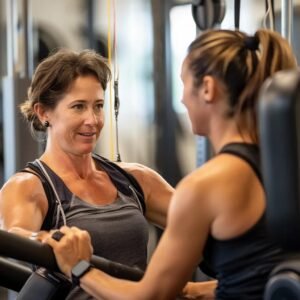
Trainer coaching controlled balance work to reduce fall risk.
As we move through midlife, staying steady becomes more important — and harder to fit into a busy schedule. This guide lays out the most effective balance and fall‑prevention strategies for adults over 40 with limited time. You’ll get the clear benefits of balance work, focused strength routines, short dynamic drills you can do anywhere, and why a personalized plan speeds progress while lowering injury risk. We also cover simple lifestyle and nutrition habits that support stability. Follow these steps and you’ll reduce your fall risk and move with more confidence every day.
What are the main benefits of balance training for busy adults?
Balance training strengthens the muscles and reflexes that keep you upright, lowers your chance of falls, and makes everyday movement easier. It sharpens coordination and proprioception — your internal sense of where your body is — so you react faster to trips and slips. With regular practice you’ll feel more secure on stairs, when carrying groceries, and getting in and out of the car.
How does better balance lower fall risk and injuries?
Improved balance means fewer falls and fewer fall‑related injuries like fractures or head trauma. Training enhances automatic responses to sudden shifts in position, helping prevent many falls before they happen. Research shows consistent balance work can reduce fall risk by roughly 30–50% in older adults — a meaningful change that increases real‑world safety.
Why prioritize balance training after 40?
After 40, muscle strength, joint flexibility, and reaction speed often decline — especially if your routine gets more sedentary. Balance training slows or reverses those trends, protecting mobility and independence. Even brief, regular sessions keep you moving well into later life and cut down the everyday limits age can bring.
Emerging evidence supports physical activity’s role in improving lower‑limb strength and postural control for middle‑aged adults — directly addressing the age‑related losses described above.
Effects of physical activity interventions on strength, balance and falls in middle‑aged adults: a systematic review and meta‑analysis, M Adams, 2023
Physical activity for strength, balance & fall prevention in middle‑aged adults
This systematic review found that weak lower‑body strength and impaired balance are major drivers of mobility problems and falls — risks physical activity (PA) can reduce. While many studies focused on people 65+, this review examines the middle‑aged group and evaluates how general and structured PA affects lower‑limb strength, postural balance, and fall outcomes.
Which strength exercises reliably boost stability and prevent falls?
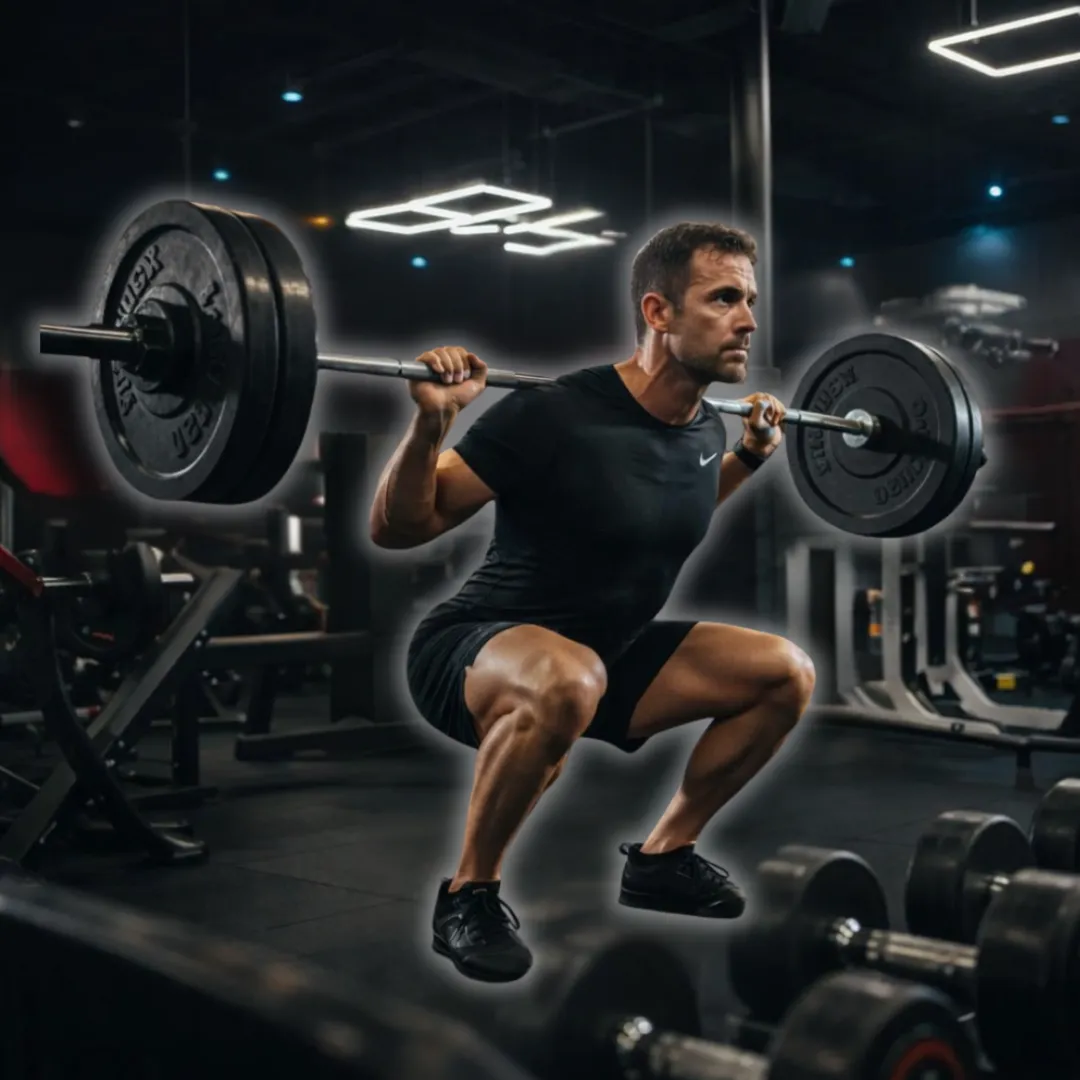
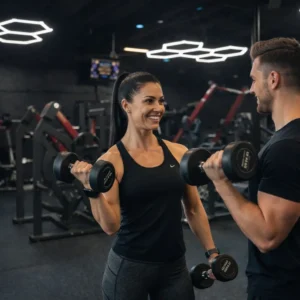
Squats: a core movement for lower‑body strength and balance.
Strength training is the foundation of balance. Focus on hips, legs, and core to reinforce the support system that keeps you upright. Done with control and sensible progression, strength work makes daily tasks safer and easier.
Which lower‑body moves support balance most effectively?
Try these practical, time‑efficient movements:
- Squats: Build quads, hamstrings, and glutes — the main muscles used for standing, sitting, and stepping safely.
- Lunges: Improve single‑leg control and coordination for walking and direction changes.
- Leg raises: Strengthen hip flexors and the muscles that stabilize your pelvis and gait.
All three can be done with bodyweight or light resistance and fit easily into a busy week without special equipment.
How does core strength factor into fall prevention?
Your core is the central stabilizer for nearly every movement. Strong trunk muscles improve posture, transfer force between upper and lower body, and help you recover balance quickly. Add planks, bridges, and controlled abdominal drills to boost trunk stability and lower fall likelihood during everyday tasks.
Evidence links trunk muscle strength to both static and dynamic balance and suggests targeted core work can help reduce fall risk in older adults.
The importance of trunk muscle strength for balance, functional performance, and fall prevention in seniors: a systematic review, U Granacher, 2013
Trunk muscle strength, balance and fall prevention in older adults
Aging brings declines across neural, muscular, and skeletal systems that affect balance and mobility. Traditional resistance training helps but may not fully translate to better balance or fewer falls. Recent work highlights connections between trunk muscle strength and measures of balance, function, and falls — and shows promise for targeted core programs like core‑strength training and Pilates.
Which dynamic balance drills fit into a busy schedule?
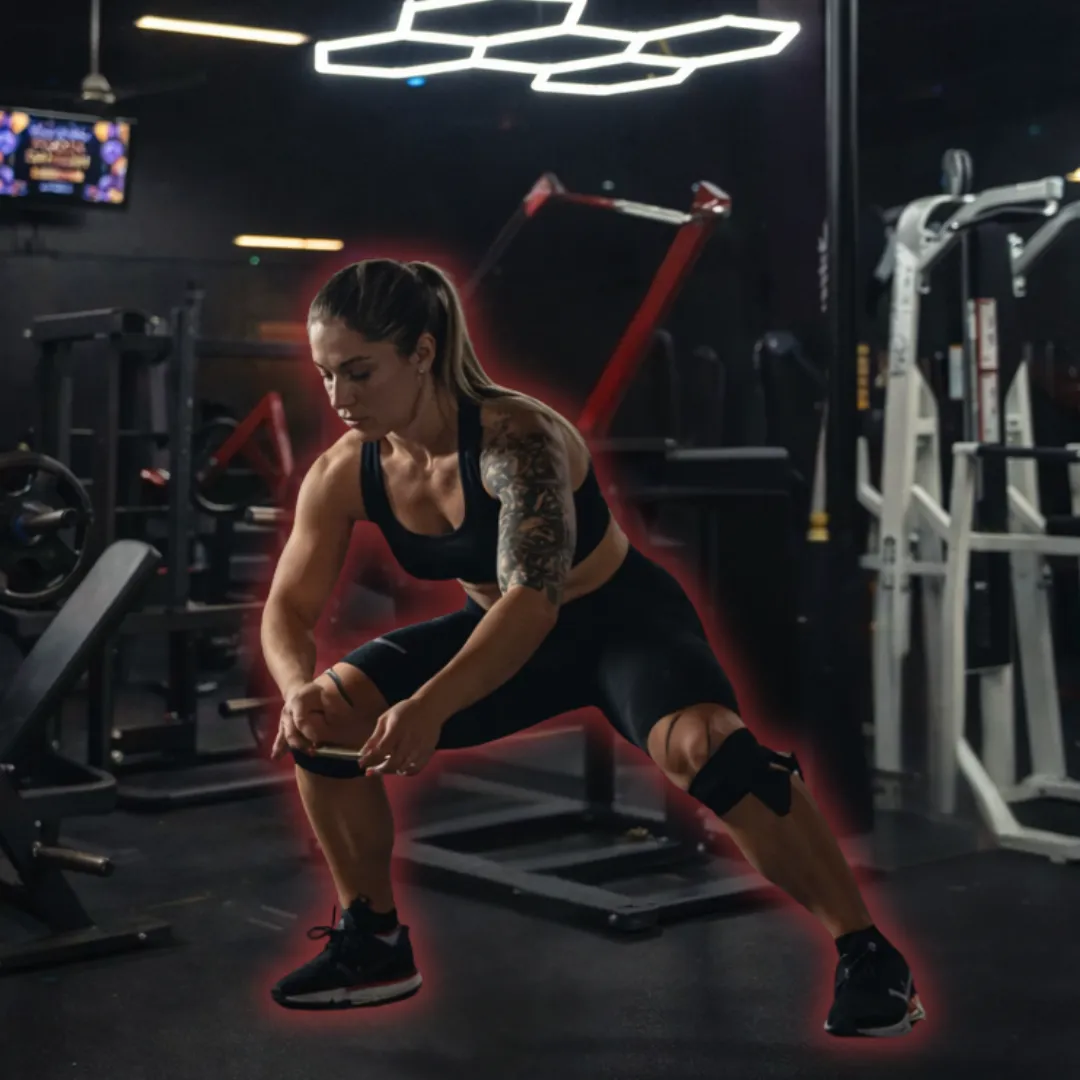
Quick dynamic drills like single‑leg stances slot into a busy day.
Dynamic drills improve reactive balance, coordination, and agility — and most take only a few minutes. They work well as warmups, between‑meeting breaks, or quick extras when time is tight.
How to do single‑leg stance and heel‑to‑toe walk safely?
- Single‑Leg Stance: Stand on one foot for 10–30 seconds, increasing time gradually. Use a chair or wall for support at first. Close your eyes or stand on a soft surface to make it harder as you progress.
- Heel‑to‑Toe Walk: Walk in a straight line, placing the heel of one foot directly in front of the toes of the other. Keep your gaze steady and use a short distance — this sharpens balance and gait control.
Both drills need no equipment and can be repeated multiple times a day for steady improvement.
Which agility and coordination drills sharpen proprioception?
Short, focused drills improve how your body senses position and motion. Try:
- Lateral shuffles: Quick side‑to‑side steps to build lateral stability.
- Cone drills: Set up a few cones and weave around them to train footwork and turning control.
- Balance beam walks: Walk a straight line (or low beam) to challenge precision and focus.
Do these in 1–3 minute sets — they fit easily into a coffee break or a hallway between tasks.
How can a personalized training plan improve balance and prevent injury?
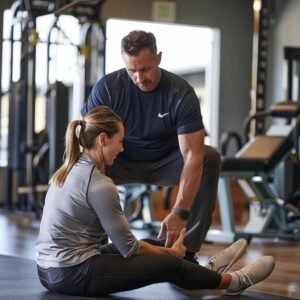
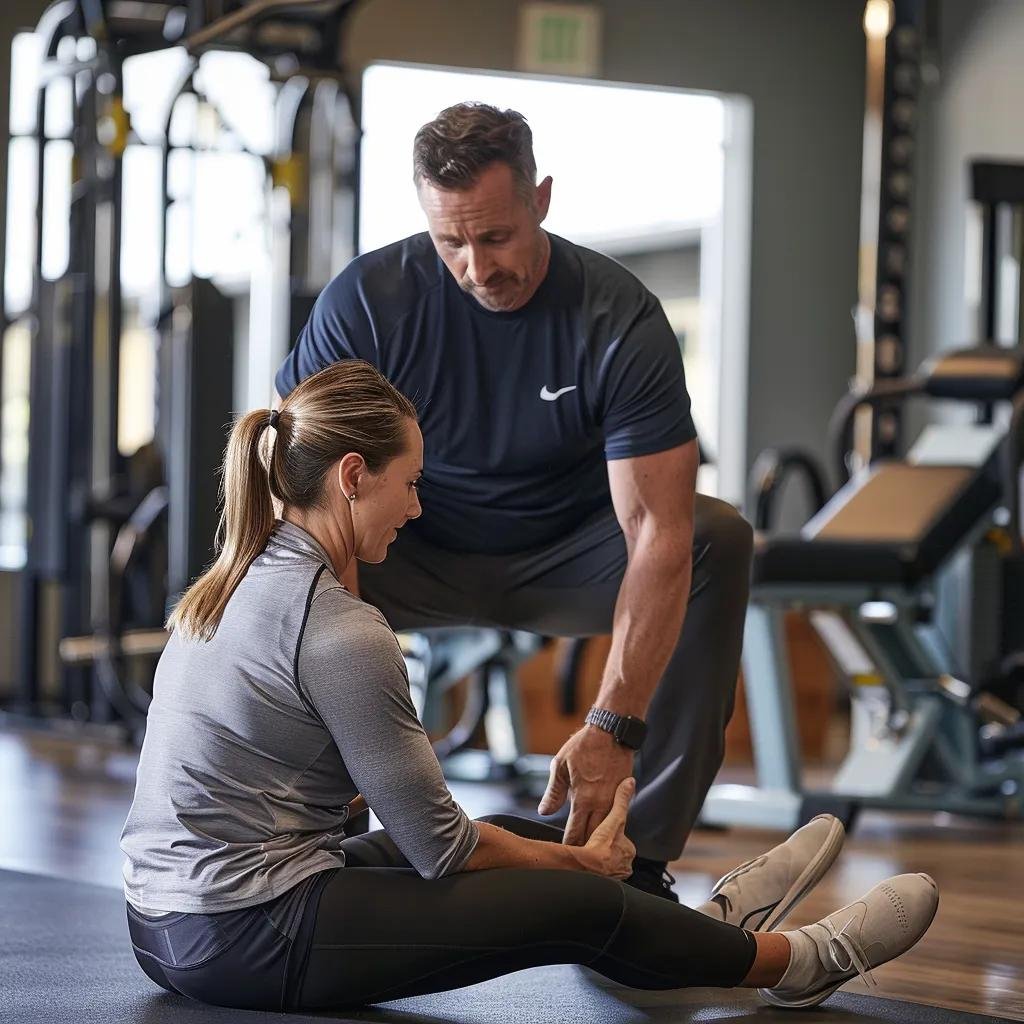
A tailored program begins with an assessment, targets your specific weaknesses, and progresses at the right pace. Individual focus reduces compensations, speeds safe improvements, and translates directly into better function at home and work.
What advantages does one‑on‑one coaching offer for fall prevention?
One‑on‑one coaching gives you customized progressions, immediate technique cues, and accountability — all of which accelerate results and lower injury risk. A coach can adapt exercises to your schedule and constraints so you keep improving without unnecessary strain.
How does tracking progress improve stability training outcomes?
Logging your sessions makes gains visible and keeps motivation high. Use a simple training log or an app to note exercises, sets, balance time, and difficulty. Seeing steady improvement — even small wins — encourages consistency and delivers better long‑term stability.
Which lifestyle and nutrition habits support balance and fall prevention?
Exercise is central, but hydration, diet, and sensible footwear matter too. These simple habits reduce dizziness, support muscle and bone health, and lower everyday slip or trip risks.
How do hydration and footwear affect stability?
Staying hydrated preserves muscle function and mental clarity; dehydration can cause lightheadedness and worse coordination. Proper shoes give support and traction — choose a secure fit with non‑slip soles for daily use. Together, these reduce slips and help you recover from trips.
Which home safety changes lower fall risk for active adults?
Small home changes make a big difference. Start with:
- Remove clutter: Keep walkways clear of cords, rugs, and obstacles.
- Install handrails: Add rails on stairs and in bathrooms for reliable support.
- Improve lighting: Bright, even light reduces missteps — add night lights where helpful.
These practical steps support an active life and significantly cut the chance of a preventable fall.
Frequently asked questions
What balance exercises should beginners try?
Start with low‑risk, high‑value moves: single‑leg stands, heel‑to‑toe walks, and gentle yoga poses like Tree Pose. These build a solid balance foundation without special equipment. Begin with short reps and add challenge as confidence grows.
How often should adults over 40 practice balance work?
Aim for balance practice 2–3 times per week, with short sessions of 15–30 minutes. Consistency beats long, infrequent workouts — frequent, focused practice builds lasting stability.
Can I do balance exercises at home and what do I need?
Yes — most balance work requires no equipment. Use a sturdy chair or countertop for support at first. To progress, add resistance bands, small weights, or a foam pad, but none are required to see meaningful gains.
Does nutrition influence balance and fall risk?
Absolutely. Adequate protein, calcium, and vitamin D support muscle and bone health. Staying hydrated prevents dizziness and poor coordination. A balanced diet helps you move better and recover faster.
Are there balance programs made specifically for seniors?
Yes — many evidence‑based programs target older adults, combining strength, balance, and functional training. Classes like Tai Chi, senior yoga, and specialized balance sessions are commonly offered at community centers and fitness clubs.
How can technology help with balance training for people over 40?
Technology can guide and track progress — apps provide structured workouts and reminders, wearables monitor activity, and emerging VR tools create interactive balance challenges. Use tech to supplement, not replace, guided training when possible.
Key Takeaways for Lasting Stability
- Balance training matters after 40: Counteract age‑related declines to protect independence.
- Strength is foundational: Prioritize lower‑body (squats, lunges) and core (planks, bridges) work to build your support system.
- Dynamic drills sharpen reactivity: Add quick, short drills like single‑leg stances and lateral shuffles to improve coordination and agility.
- Personalization speeds progress: Tailored plans and one‑on‑one coaching target weaknesses and reduce injury risk.
- Take a holistic approach: Support training with hydration, a nutrient‑rich diet, sensible footwear, and simple home safety changes.
- Be consistent: Regular, even short sessions deliver meaningful long‑term gains for fall prevention and confidence.
Conclusion
Balance and fall prevention are achievable — even with a busy life. Short, consistent strength and balance work, paired with smart lifestyle choices and, when useful, personalized coaching, will improve stability and lower injury risk. Start small, stay consistent, and use these tips and progress‑tracking practices to build lasting confidence in your daily movement.
Claim your FREE 3‑Day VIP Pass
Ready to Boost Your Balance & Confidence?
At Results Transformation Center, you’ll find a welcoming community of people balancing work, family, and better health. Join us and take practical steps to feel and move better every day.
Why our members love us:
- Classes for every age and fitness level.
- A supportive, judgment‑free environment.
- Flexible scheduling that fits busy lives.
Call us now at (916) 371-2496 to get started on a stronger, healthier you.
Or visit us at