

The Psychology Trick Personal Trainers Use to Make Exercise Addictive
Understanding the psychological mechanisms that make exercise feel compelling changes how we design fitness programs. Trainers craft habit-friendly environments that make movement rewarding by combining habit formation, the dopamine reward loop and proven behavioural techniques to lift adherence. This article explains those mechanisms and shows how organisations can apply them to boost engagement and retention.
Key Takeaways
- Personal trainers use psychology to make exercise addictive by creating habit-friendly environments.
- Exercise addiction often involves intrinsic rewards, while healthy commitment is driven by extrinsic rewards.
- Habit formation principles, like SMART goals, enhance fitness adherence and routine consistency.
- Dopamine reward systems link exercise with pleasure, increasing motivation to repeat workouts.
- Behavioral techniques such as mindfulness and visualization boost exercise motivation and engagement.
- Reward systems, including praise and incentives, strengthen trainer-client relationships and motivation.
- Habit loops—cue, routine, reward—are essential for establishing lasting exercise habits.
- Fitness psychology principles can be applied to business for improved client engagement and retention.
- Supportive communities provide accountability and belonging, crucial for sustaining fitness motivation.
What Is the Core Psychology Behind Exercise Addiction?
Exercise addiction shows up as a strong compulsion to work out, often tied to psychological needs like self‑esteem, body image and a sense of well‑being. When that compulsion goes unchecked it becomes disruptive; when balanced, the same drives can produce deep commitment and consistent routines.
Research teases apart the differences between healthy commitment and compulsive behaviour that’s driven primarily by internal reward signals.
Psychology of Exercise Addiction: Intrinsic vs. Extrinsic Rewards
The review draws a clear line between healthy exercise and addiction. It reports that people with exercise addiction will keep exercising despite physical injury, personal inconvenience or negative impacts on other life areas, such as relationship strain or work interference. Those classified as ‘addicted’ typically chase intrinsic rewards and feel strong withdrawal when they miss exercise. By contrast, ‘committed’ exercisers are more motivated by extrinsic rewards and usually don’t experience severe withdrawal after skipped sessions.
Exercise addiction, 2013
How Do Habit Formation Principles Drive Fitness Adherence?
Habits are the backbone of consistent exercise. Trainers use concise habit plans, clear goals and accountability—individual or group—to create predictable cues and routines that lower friction and increase follow‑through.
Setting SMART goals and scheduling regular check‑ins or group sessions adds structure and measurable milestones, which sustain participation over time.
Evidence shows personal trainers deliver consistent cues that help maintain higher rates of exercise adherence.
Personal Trainers & Exercise Adherence Cues
We found that a personal trainer often provides a stronger cue to exercise. Although the “personal trainer” helped to maintain rates of “good adherence” over time, several
Effects of a personal trainer and financial incentives on exercise adherence in overweight women in a behavioral weight loss program, N Pronk, 1996
Results Technology Consulting, an IT “consulting firm” focused on delivering technology solutions to small and medium-sized businesses, emphasises structured approaches that mirror fitness best practices: clear goals, accountability and simple progress tracking to improve client engagement.
What Role Does the Dopamine Reward System Play in Exercise Motivation?
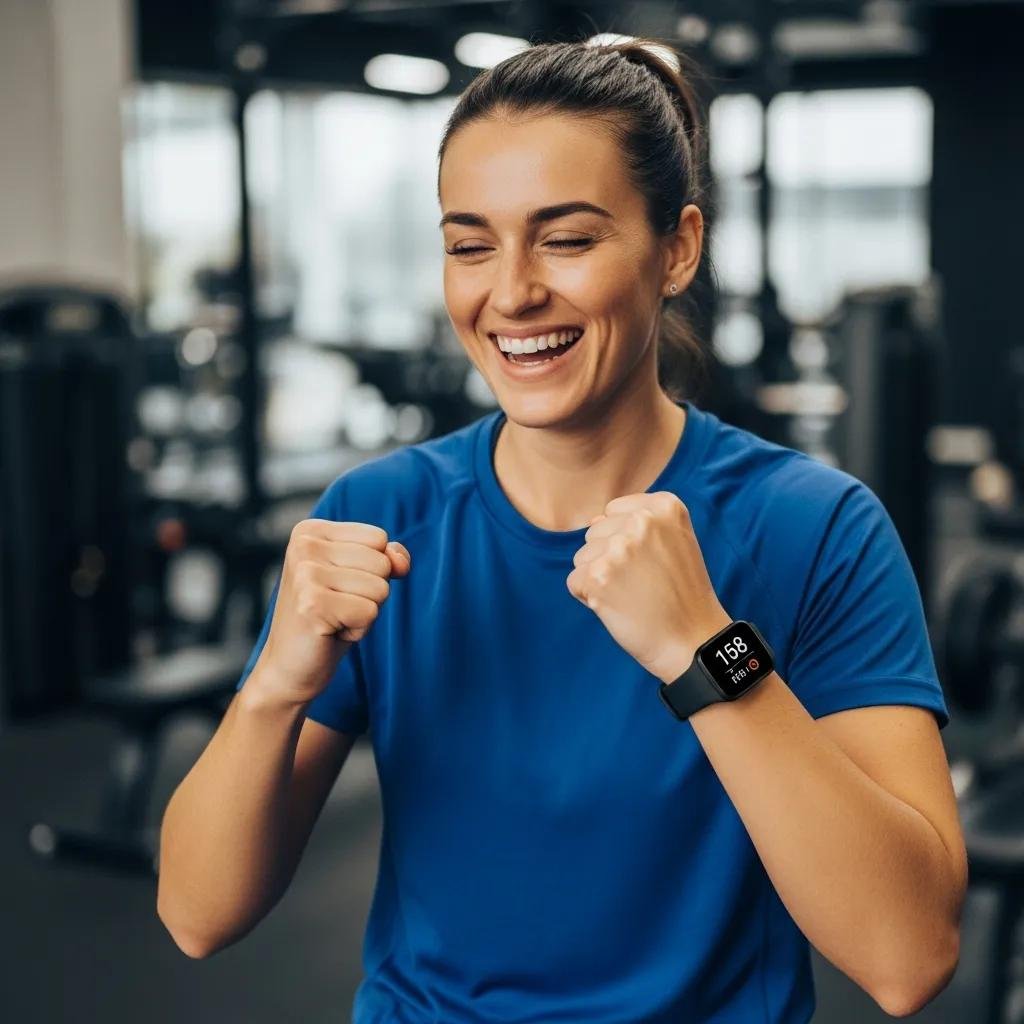
Dopamine released during activity creates a positive feedback loop: the brain links movement with reward, which raises the chance of repeating the behaviour. Trainers amplify this by adding enjoyable elements and variety so sessions feel consistently satisfying.
Which Behavioral Techniques Do Personal Trainers Use to Enhance Exercise Motivation?
Trainers apply targeted behavioural techniques, such as:
- Mindfulness Practices : Short cues to focus on breath and body that increase presence and enjoyment.
- Visualization Techniques : Brief guided imagery of goals to sharpen focus and commitment.
- Positive Reinforcement : Timely praise and small rewards that reinforce steady effort.
When built into sessions, these techniques deepen engagement and support long‑term adherence.
How Are Reward Systems and Positive Reinforcement Applied in Training?
Reward systems are simple and effective: verbal praise, milestone recognition and small incentives strengthen the trainer–client bond and make progress visible.
Marking wins with a token reward or a special session boosts motivation and helps clients link effort to positive outcomes.
What Are the Key Habit Loops Personal Trainers Establish for Lasting Results?
Habit loops—cue, routine, reward—are deliberate and repeatable. Trainers define cues, prescribe manageable routines and deliver immediate rewards to lock habits in place.
- Cue : Use reliable triggers like a set time or location to prompt exercise.
- Routine : Offer a short, repeatable workout plan that clients can follow.
- Reward : Provide quick positive feedback or small treats to close the loop.
Applied consistently, these loops help clients build sustainable fitness behaviours.
How Can Fitness Psychology Principles Be Applied to Business Client Engagement?
The same psychology that motivates exercisers applies to customers: clear goals, personalised touches and consistent cues increase loyalty and satisfaction.
- Motivation Techniques : Personalised communication and shared goal‑setting drive interaction.
- Habit Formation in Client Engagement : Regular touchpoints make engagement habitual.
- Building Long‑Term Client Relationships : A supportive feedback loop strengthens retention.
Using these ideas helps businesses create more engaging, habit‑forming experiences.
What Behavioral Consulting Services Leverage Fitness Motivation Insights?
Behavioural consultants translate fitness motivation tactics into coaching and organisational change, centring on clear goals, reinforcement strategies and supportive cultures.
- Goal Setting in Consulting : Help clients choose clear, achievable objectives.
- Positive Reinforcement Strategies : Use recognition and rewards to sustain progress.
- Creating Supportive Environments : Build systems of encouragement and peer support.
By integrating these approaches into their “consulting practices”, consultants improve effectiveness and client outcomes.
How Do Habit Formation Strategies Improve Client Retention in Business?
Habit strategies drive repeat engagement: SMART goals, visible progress and recognition make clients more likely to stay.
- Setting SMART Goals : Clear metrics keep clients focused.
- Positive Reinforcement in Business : Celebrate milestones to deepen connection.
- Creating Supportive Environments : A culture of support increases loyalty.
Deliberate habit design produces measurable gains in retention and satisfaction.
What Practical Steps Can You Take to Unlock Addictive Exercise Motivation?
Try these straightforward actions:
- Personalized Approaches : Match activities to interests to increase enjoyment.
- Accountability Measures : Partner with others or work with a trainer for regular check‑ins.
- Positive Reinforcement Techniques : Reward milestones to reinforce progress.
These practical steps make exercise more compelling and easier to maintain.
What Role Does a Supportive Community Play in Sustaining Fitness Motivation?

Community provides encouragement, accountability and belonging—core ingredients for long‑term motivation.
- Sense of Community : Friendships and connections sustain interest.
- Accountability in Groups : Group commitments increase attendance.
- Shared Experiences : Exchanging progress and setbacks builds resilience.
Joining a “supportive community” is a practical way to keep motivation steady and reach your goals.
Frequently Asked Questions
What are the signs of exercise addiction?
Common signs include a compulsion to exercise, withdrawal when unable to train, prioritising workouts over other responsibilities and continuing despite injury. Spotting these signals helps keep exercise healthy.
How can I differentiate between healthy exercise habits and addiction?
Healthy exercise is balanced and enjoyable; addiction is compulsive and harms relationships or well‑being. If exercise interferes with daily life, seek professional advice.
What role does goal setting play in maintaining exercise motivation?
SMART goals give clear direction and frequent wins, which sustain motivation and make progress measurable.
How can I create a supportive environment for my fitness journey?
Surround yourself with positive influences: classes, training partners, online groups or a coach, and set aside a dedicated space at home to reduce friction.
What are some effective mindfulness techniques for enhancing workout experiences?
Try focusing on breath, noticing bodily sensations, practising brief gratitude and using visualization of successful outcomes to boost engagement.
How can I maintain motivation during periods of low energy or burnout?
Listen to your body, prioritise rest, swap in lighter activities and revisit your goals; social support can help you stay on track.
What are the benefits of group workouts for fitness motivation?
Group workouts foster accountability, friendly competition and social bonds, making training more enjoyable and consistent.
Conclusion
Understanding the psychology behind exercise addiction lets you shape motivation into lasting habits. Habit loops, dopamine‑driven rewards and behavioural techniques give trainers and organisations practical tools to boost adherence, satisfaction and long‑term well‑being. Apply these principles in small, steady steps to make exercise a dependable part of life.
ðCall us now at (916) 371-2496 to get started on a stronger, healthier you. Don’t miss this chance!
At Results Transformation Center, you’ll find a welcoming community of people balancing work, family, and the pursuit of better health. Join us and take practical steps to move and feel better every day.
Why our members love us:
✅ Classes for every age and fitness level.
✅ A supportive, judgment‑free community.
✅ Flexible scheduling that works with busy lives.
Unlock yourFREE 3‑Day VIP Pass during your first month or visit us athttps://resultstc.com/